Buy Magic Mushroom Chocolate Bars Online
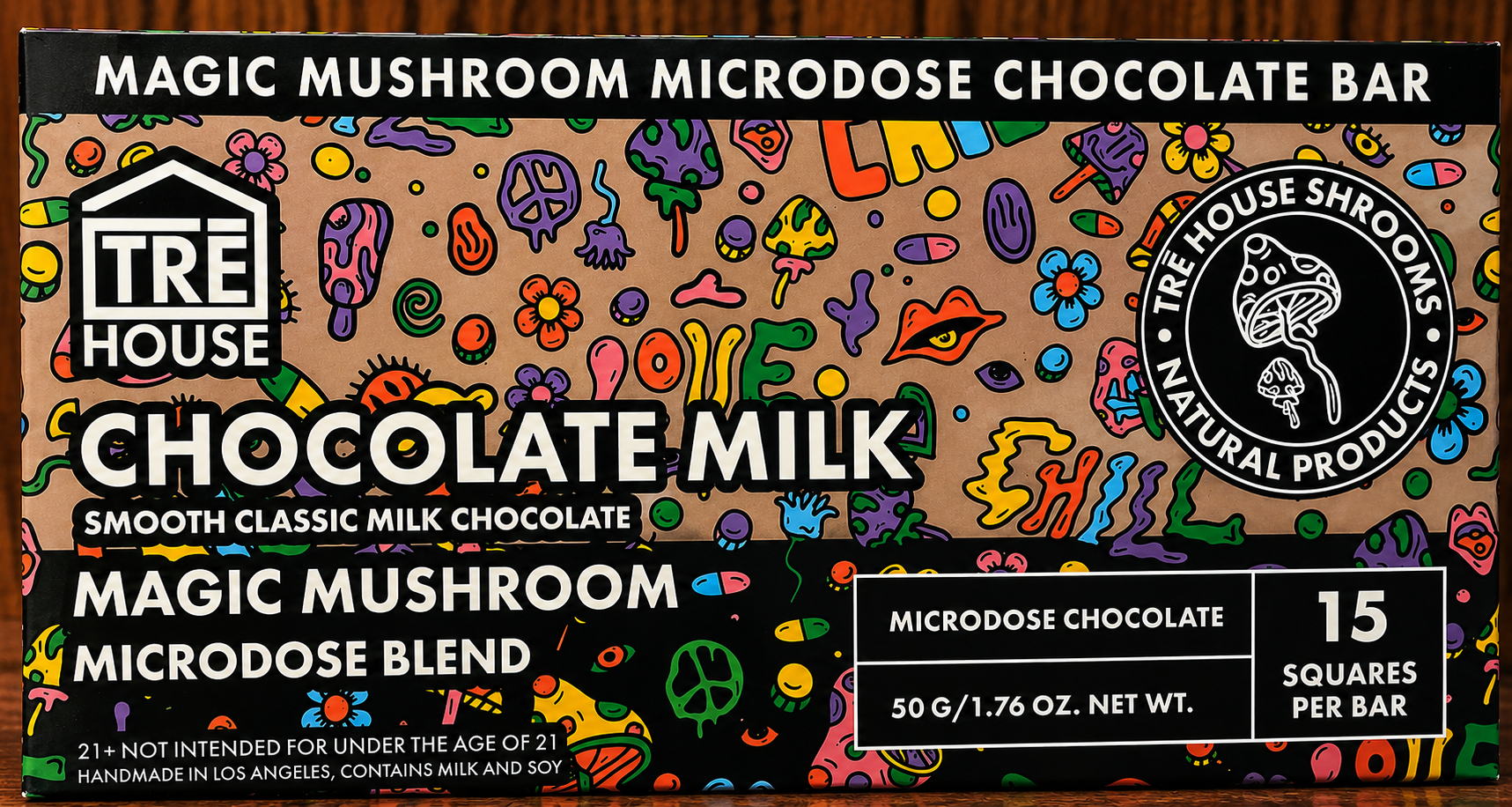
Buy Magic Mushroom Chocolate Bars Online have attracted significant attention as interest in psychedelic mushrooms continues to grow. These products combine a familiar chocolate format with mushrooms that may contain psilocybin, a naturally occurring psychedelic compound.
Consumers searching for information about magic mushroom chocolate bars should understand the difference between scientific research, personal experiences, and commercial marketing. Product names and packaging cannot confirm the exact ingredients, potency, purity, or safety of a particular product.
This guide explores magic mushroom chocolate bars from an educational perspective, including common ingredients, current research, potential risks, product quality, and legal considerations.
What Are Magic Mushroom Chocolate Bars?
Magic mushroom chocolate bars typically combine chocolate with mushroom material or mushroom-derived compounds. Some products may contain psilocybin or psilocin, while others may use non-psychoactive mushroom ingredients.
This distinction matters because different mushroom products can have very different effects, risks, and legal classifications.
A chocolate bar may contain familiar confectionery ingredients such as cocoa, sugar, milk, flavourings, and emulsifiers alongside mushroom-derived ingredients. Consumers should always check the complete ingredient information rather than relying on the product name.
Common Chocolate Ingredients
A mushroom chocolate bar may contain:
- Cocoa solids
- Cocoa butter
- Sugar
- Milk or milk-derived ingredients
- Soy lecithin
- Vanilla
- Natural flavors
- Mushroom-derived ingredients
Recipes vary between manufacturers. People with allergies should check the complete ingredient list and allergen statement before consuming any chocolate product.
Understanding Psilocybin
Psilocybin occurs naturally in certain mushroom species. The body converts psilocybin into psilocin, which interacts with serotonin receptors in the brain.
Researchers study psilocybin because of its effects on perception, mood, cognition, and consciousness. Clinical research has also investigated potential therapeutic applications under carefully controlled conditions.
Researchers conduct these studies with screening, standardised substances, professional supervision, controlled environments, and follow-up assessments.
These conditions differ substantially from the use of unregulated commercial products.
What Does Research Say?
Scientific interest in psilocybin has increased in recent years. Researchers investigate possible applications involving conditions such as depression, anxiety associated with serious illness, and other mental-health concerns.
However, research findings do not mean that every magic mushroom product provides the same effects or safety profile.
Important research questions include:
- How does psilocybin affect the brain?
- Which therapeutic settings provide the greatest benefit?
- What risks can occur?
- How do individual factors influence responses?
- What long-term effects can occur?
- How should researchers measure therapeutic outcomes?
Scientists continue to investigate these questions through clinical trials and other controlled studies.
Potential Risks
Magic mushrooms can produce powerful psychological and perceptual effects. Responses can vary from one person to another.
Potential concerns include:
- Anxiety
- Panic
- Confusion
- Changes in perception
- Emotional distress
- Impaired judgment
- Nausea
- Increased heart rate
- Interactions with medications
People with certain psychiatric or cardiovascular conditions may face additional risks. Anyone who takes prescription medication should discuss potential interactions with a qualified healthcare professional.
Consumers should also recognise that commercial mushroom chocolate products may have uncertain potency or inaccurate labelling.
Why Product Testing Matters
Testing can help establish what a product contains. Credible laboratory analysis may provide information about active compounds, contaminants, and other aspects of product composition.
Consumers should look for:
- Complete ingredient information
- Batch identification
- Laboratory testing documentation
- Allergen information
- Manufacturer details
- Storage instructions
- Clear product labeling
Marketing statements alone cannot establish product purity or potency.
Legal Considerations
The legal status of psilocybin varies significantly around the world. Some jurisdictions prohibit possession, production, distribution, and sale, while others permit limited research or specific therapeutic programs.
Laws can change over time. Online availability does not establish legality.
Anyone researching magic mushroom chocolate bars should consult current official government guidance for their specific jurisdiction before making decisions involving products that may contain psilocybin.
Magic Mushroom Chocolate vs. Functional Mushroom Chocolate
Consumers should distinguish between psychedelic mushroom chocolate and functional mushroom chocolate.
Functional mushroom products may contain mushrooms such as:
- Lion’s Mane
- Reishi
- Cordyceps
- Chaga
- Turkey Tail
These mushrooms do not automatically contain psilocybin.
Psychedelic mushroom products can contain entirely different active compounds and therefore require different safety and legal considerations.
Responsible Information Gathering
Reliable information can help consumers understand mushroom products more accurately.
Useful sources include:
- Peer-reviewed scientific journals
- Universities
- Government health agencies
- Qualified healthcare professionals
- Clinical research databases
Consumers should remain cautious about unsupported claims found in advertisements, social media posts, anonymous reviews, and promotional websites.
Frequently Asked Questions
What are magic mushroom chocolate bars?
They are chocolate products associated with psychedelic mushroom ingredients, which may include psilocybin or other mushroom-derived compounds.
Does every mushroom chocolate bar contain psilocybin?
No. Some products contain culinary or functional mushrooms without psychedelic compounds. Consumers should check the exact ingredient information.
Can psilocybin affect perception?
Yes. Psilocybin can produce significant changes in perception, mood, cognition, and sensory experiences.
Does research prove that magic mushrooms work for everyone?
No. Clinical research continues to investigate potential therapeutic applications, benefits, risks, and limitations.
Are magic mushroom chocolates legal everywhere?
No. Laws vary significantly between jurisdictions. Consumers should consult current official legal guidance.
Conclusion
Magic mushroom chocolate bars combine conventional confectionery products with mushroom-derived ingredients and, in some cases, psychedelic compounds such as psilocybin. Their growing popularity has increased public interest in scientific research, product quality, safety, and legal considerations.
Consumers should distinguish psychedelic mushrooms from non-psychoactive functional mushrooms and avoid assuming that products with similar names share identical ingredients. Current scientific research offers valuable information, but researchers continue to investigate many questions about safety, effectiveness, and long-term outcomes.
Anyone researching magic mushroom chocolate should rely on credible scientific and government sources, review ingredient information carefully, understand applicable laws, and consult qualified healthcare professionals when appropriate.
Contact Us
Be the first to review “Buy Magic Mushroom Chocolate Bars Online”
Related products
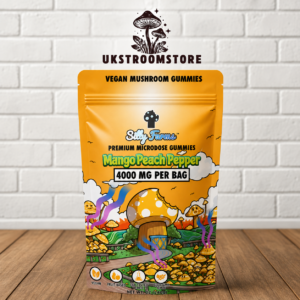
SHROOMS EDIBLES
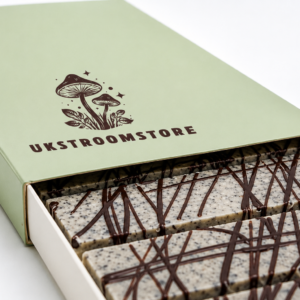
SHROOMS EDIBLES
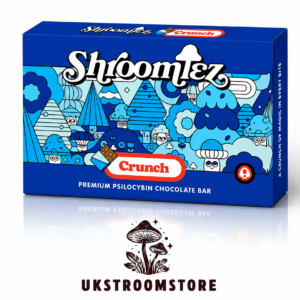
SHROMIEZ CHOCOLATE BARS
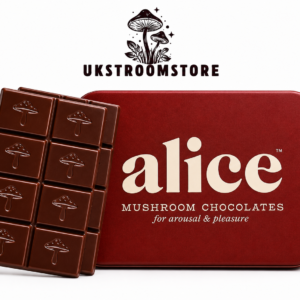
ALICE MUSHROOMS
SHROOMS EDIBLES
PSILLY SHROOMS
POLKADOT MUSHROOM CHOCOLATE
PAPA CHOCOLATE SHROOM BAR
Buy Papa Smurf’s Secret Stash Shroom Bar Horchata 3.5g Online
Reviews
There are no reviews yet.