Buy Blue Raspberry Magic Mushroom Gummies Online
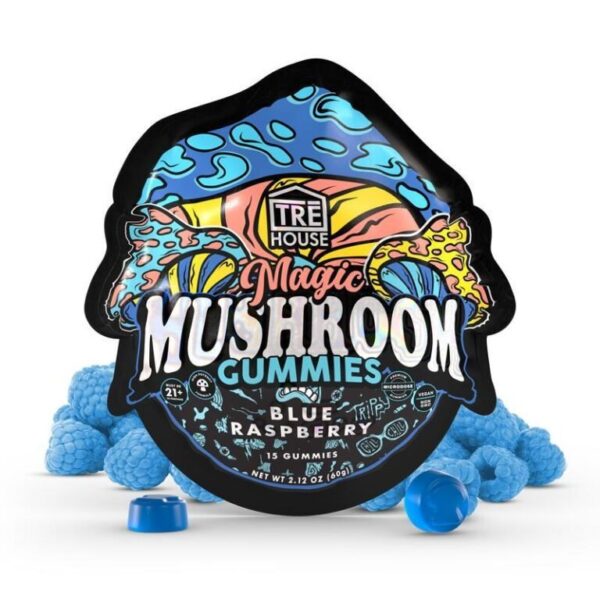
Buy Blue Raspberry Magic Mushroom Gummies Online combine a familiar candy-inspired flavour with mushroom-related ingredients. These products have attracted attention as interest in psychedelic mushrooms and alternative edible formats continues to grow.
Consumers should approach these products carefully because the name, flavour, or packaging does not confirm the actual ingredients or potency. Products with similar branding can contain very different substances. Some mushroom gummies contain non-psychoactive functional mushroom ingredients, while others may contain psilocybin, a controlled psychedelic compound in many jurisdictions.
This guide provides educational information about these gummies, including common ingredients, scientific research, safety considerations, product quality, and legal issues.
What Are Magic Mushroom Gummies?
Magic mushroom gummies generally refer to edible products associated with psychedelic mushrooms. Manufacturers may combine a gummy base with mushroom material, mushroom extracts, or isolated compounds.
A typical gummy can contain ingredients such as:
- Sugar or alternative sweeteners
- Pectin or gelatin
- Citric acid
- Blue raspberry flavoring
- Food coloring
- Natural or artificial flavors
- Mushroom-derived ingredients
The exact formulation varies between manufacturers. Consumers should always review the complete ingredient label rather than relying on product names.
Blue Raspberry Flavour
Blue raspberry provides a sweet and tart flavour commonly associated with candy and gummy products. Manufacturers can create this flavour using natural flavours, artificial flavours, or combinations of different flavouring ingredients.
Flavour primarily affects taste. It does not establish the identity, concentration, purity, or safety of an active mushroom ingredient.
People with food allergies or dietary restrictions should review the complete ingredient and allergen information before consuming any packaged edible.
Understanding Psilocybin
Psilocybin occurs naturally in certain mushroom species. After ingestion, the body converts psilocybin into psilocin, which interacts with serotonin receptors in the brain.
Researchers study psilocybin because it can significantly affect:
- Perception
- Mood
- Cognition
- Sensory experiences
- Emotional processing
Scientists also investigate possible therapeutic applications in controlled clinical environments.
Clinical research uses carefully selected participants, standardised substances, professional supervision, controlled settings, and follow-up monitoring. These conditions differ substantially from commercial products with uncertain formulations.
Current Research
Researchers continue to investigate psychedelic substances and their potential applications. Studies examine areas such as depression, anxiety associated with serious illness, addiction, and other mental-health conditions.
However, research findings do not automatically apply to every mushroom gummy available commercially.
Researchers continue to examine important questions about:
- Appropriate therapeutic settings
- Individual responses
- Short-term effects
- Long-term safety
- Potential drug interactions
- Psychological risks
- Treatment effectiveness
Consumers should distinguish peer-reviewed research from testimonials and advertising claims.
Potential Safety Concerns
Psychedelic mushrooms can produce unpredictable psychological and physical effects. Individual responses can vary considerably.
Potential concerns may include:
- Anxiety
- Panic
- Confusion
- Changes in perception
- Emotional distress
- Impaired judgment
- Nausea
- Increased heart rate
- Interactions with medications
People with certain psychiatric or cardiovascular conditions may face additional risks.
Anyone who takes prescription medication or has an existing health condition should consult a qualified healthcare professional before considering products containing psychoactive compounds.
Product Quality and Testing
Product quality matters when consumers evaluate speciality mushroom edibles. Clear labelling can help people understand what a product contains.
Useful product information may include:
- Complete ingredient lists
- Active ingredient information
- Serving information
- Batch identification
- Laboratory testing
- Allergen statements
- Manufacturer details
- Storage instructions
Independent laboratory testing can provide useful information about product composition when a qualified laboratory performs appropriate analysis.
Consumers should verify testing claims through credible documentation rather than relying solely on statements made in promotional materials.
Functional Mushrooms vs. Magic Mushrooms
Consumers should understand the difference between functional mushrooms and psychedelic mushrooms.
Functional mushroom products may contain species such as:
- Lion’s Mane
- Reishi
- Cordyceps
- Chaga
- Turkey Tail
These mushrooms do not automatically contain psilocybin.
Products associated with psychedelic mushrooms may contain entirely different active compounds. This distinction affects both potential effects and legal status.
Legal Considerations
Laws surrounding psilocybin and psychedelic mushroom products vary significantly between countries, states, and local jurisdictions.
Some areas prohibit possession, manufacture, distribution, and sale. Other jurisdictions allow limited research or specific therapeutic programs.
Regulations can change over time. Online availability does not establish that a product complies with local law.
Anyone researching a product that may contain psilocybin should consult current official government guidance for the relevant jurisdiction.
Making Informed Decisions
Reliable information helps consumers evaluate mushroom-related products responsibly.
Consider checking:
- The complete ingredient label.
- Manufacturer information.
- Available laboratory documentation.
- Allergen information.
- Storage requirements.
- Current local regulations.
- Guidance from qualified healthcare professionals.
Consumers should remain cautious about unsupported claims from social media, anonymous reviews, or promotional advertisements.
Frequently Asked Questions
What are Blue Raspberry Magic Mushroom Gummies?
They are gummy products marketed around magic mushroom or psychedelic mushroom ingredients and blue raspberry flavoring. Exact ingredients vary by product.
Does blue raspberry flavour indicate the presence of psilocybin?
No. Flavour does not determine whether a product contains psilocybin or another active compound.
Are all mushroom gummies psychedelic?
No. Some gummies contain functional mushroom ingredients without psychedelic compounds.
Can psilocybin affect perception?
Yes. Psilocybin can significantly alter perception, mood, cognition, and sensory experiences.
Are magic mushroom gummies legal?
The answer depends on the jurisdiction and the specific ingredients. Consumers should consult current official regulations.
Conclusion
Blue Raspberry Magic Mushroom Gummies represent a growing category of mushroom-related edible products. Their familiar flavour and convenient gummy format may attract consumer interest, but consumers should look beyond branding and packaging when evaluating these products.
Ingredient transparency, laboratory testing, scientific evidence, safety information, and legal requirements all matter. Consumers should distinguish functional mushroom products from psychedelic products and recognise that research findings do not automatically apply to every commercial formulation.
Anyone researching magic mushroom gummies should consult reputable scientific sources, review product information carefully, understand applicable laws, and seek professional healthcare guidance when appropriate.
Contact Us
| Quantity | Single Pack, Double Pack |
|---|
1 review for Buy Blue Raspberry Magic Mushroom Gummies Online
Add a review
Related products
SHROMIEZ CHOCOLATE BARS
PSILLY SHROOM GUMMIES
PAPA CHOCOLATE SHROOM BAR
Buy Papa Smurf’s Secret Stash Shroom Bar Horchata 3.5g Online
PAPA CHOCOLATE SHROOM BAR
PSILLY SHROOMS CHOCOLATE BARS
SHROOMS EDIBLES
ONE UP MUSHROOM CHOCOLATE BARS
POLKADOT MUSHROOM CHOCOLATE
Lenohar –
Really happy with the overall experience. Everything was straightforward, communication was clear, and the service was handled professionally. I would definitely recommend it.