
Buy Pog Potion Hard Candy Online
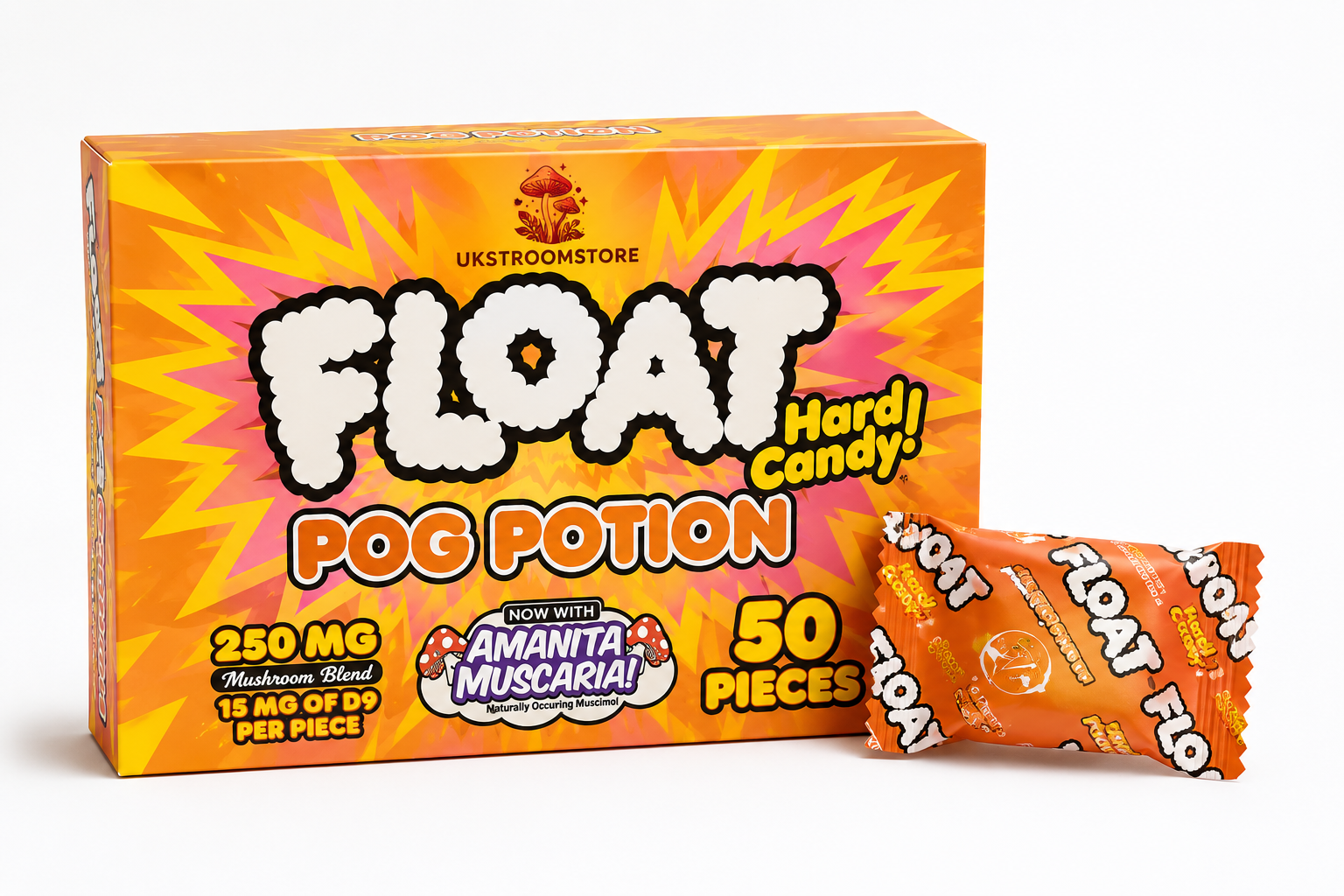
Buy Pog Potion Hard Candy Online provide a convenient format for delivering flavours, sweeteners, and other ingredients. Products marketed under names such as Pog Potion Hard Candy may attract attention because of their distinctive branding and tropical-inspired flavour profile.
Consumers should look beyond product names and packaging when evaluating speciality candies. A brand name cannot confirm the exact ingredients, potency, purity, or legal status of a product. This point becomes especially important when a candy carries mushroom, psychedelic, cannabis, or other psychoactive claims.
This guide explains what consumers should know about speciality hard candy products, including ingredients, labelling, product testing, safety considerations, and legal requirements.
What Is Pog Potion Hard Candy?
Pog Potion Hard Candy refers to a speciality candy product marketed under the Pog Potion name. The exact formulation depends on the manufacturer and product version.
Traditional hard candies often contain:
- Sugar
- Corn syrup or other sweeteners
- Natural or artificial flavors
- Food coloring
- Citric acid
- Other texture or processing ingredients
A speciality product may include additional ingredients. Consumers should therefore review the current package label for the most accurate information.
Understanding Flavour Ingredients
The term “Pog” can refer to a tropical fruit flavour associated with passion fruit, orange, and guava. Manufacturers may use natural flavours, artificial flavours, fruit concentrates, or combinations of these ingredients.
Flavour descriptions primarily communicate taste. They do not confirm the presence, concentration, or effects of an active ingredient.
Consumers with food allergies should examine the ingredient list and allergen statement before consuming any speciality candy.
Psychoactive Candy Requires Extra Caution
Some products marketed as speciality or “infused” candies may contain psychoactive compounds. These compounds can include cannabis-derived substances, psychedelic mushroom compounds, or other active ingredients.
Consumers should identify the exact active ingredient rather than relying on terms such as:
- Infused
- Magic
- Mushroom
- Potion
- Psychedelic
- Herbal
- Natural
Marketing terminology does not provide reliable information about potency or safety.
Why Product Testing Matters
Laboratory testing can provide valuable information about product composition. Consumers should look for credible testing documentation that identifies the product and, ideally, the specific batch.
Useful documentation may include:
- Complete ingredient information
- Active-compound analysis
- Batch identification
- Laboratory results
- Allergen information
- Manufacturer details
- Storage instructions
- Expiration information
Recent investigations into mushroom-containing edibles demonstrate why consumers should examine testing information carefully. The FDA reported unexpected substances in certain mushroom chocolate products, including psilocin, acetylpsilocin, pregabalin, kavalactones, and muscimol.
Consumers should not assume that packaging accurately communicates every active ingredient without reliable supporting evidence.
Potential Safety Concerns
Speciality candies that contain psychoactive substances can produce effects that differ significantly from ordinary confectionery.
Potential concerns may include:
- Anxiety
- Confusion
- Changes in perception
- Drowsiness
- Impaired judgment
- Nausea
- Increased heart rate
- Medication interactions
The risks depend heavily on the active ingredient, concentration, individual circumstances, and other factors.
Anyone who takes prescription medication or has an existing medical condition should consult a qualified healthcare professional before considering products containing psychoactive compounds.
Children and Accidental Exposure
Candy-like packaging can create additional concerns because children may mistake an infused product for ordinary confectionery.
Consumers should keep any speciality product containing psychoactive or potentially harmful ingredients away from children and pets. Clear labelling and secure storage can help reduce accidental exposure.
If someone accidentally consumes an unfamiliar psychoactive product, seek appropriate medical assistance and provide healthcare professionals with the product packaging and ingredient information.
Legal Considerations
The legal status of speciality candies depends on their ingredients and the jurisdiction.
Ordinary confectionery generally complies with food safety regulations, while products containing controlled or psychoactive substances may face additional restrictions.
Laws surrounding cannabis, psilocybin, Amanita-derived compounds, and other psychoactive ingredients vary considerably between jurisdictions. Online availability does not establish legal compliance.
Consumers should consult current official government guidance before possessing or using any product that may contain a controlled substance.
How to Evaluate a Speciality Candy
Consumers can research a product more effectively by checking several factors.
1. Read the Label
Check the complete ingredient list, allergen statement, serving information, and manufacturer details.
2. Identify Active Ingredients
Do not assume that terms such as “potion” or “infused” describe a specific substance.
3. Review Testing Information
Look for credible laboratory analysis and verify that the documentation corresponds to the actual product or batch.
4. Research Applicable Laws
Check current regulations for the location where you live or where the product originates.
5. Consult a Professional
A qualified healthcare professional can provide guidance about potential medication interactions and individual safety concerns.
Frequently Asked Questions
What is Pog Potion Hard Candy?
Pog Potion Hard Candy refers to a speciality hard candy product marketed under the Pog Potion name. The exact ingredients depend on the specific formulation.
What does “Pog” mean?
Pog commonly describes a tropical fruit flavour associated with passion fruit, orange, and guava.
Does hard candy automatically contain psychoactive ingredients?
No. Most hard candies contain conventional confectionery ingredients. Consumers should check the specific product label to determine its contents.
Why does laboratory testing matter?
Testing can help identify active ingredients and contaminants and can reveal differences between labelled and actual contents.
Is speciality infused candy legal everywhere?
No. Legal requirements depend on the specific active ingredients and the applicable jurisdiction.
Conclusion
Pog Potion Hard Candy represents a speciality candy category in which branding, flavour, and ingredient composition can vary considerably. Consumers should avoid making assumptions based on the product name alone.
A careful evaluation should include the complete ingredient list, allergen information, manufacturer details, credible laboratory testing, safety considerations, and current legal requirements.
Consumers should take additional care with products marketed as mushroom-infused, psychedelic, cannabis-infused, or otherwise psychoactive. Reliable scientific sources, government agencies, laboratory documentation, and qualified healthcare professionals provide more dependable information than promotional claims or anonymous online reviews.
Understanding the actual ingredients remains the most important step when evaluating any speciality hard candy product.


Rapogi –
Clean website, easy navigation, and a smooth experience. Really happy with the service!